

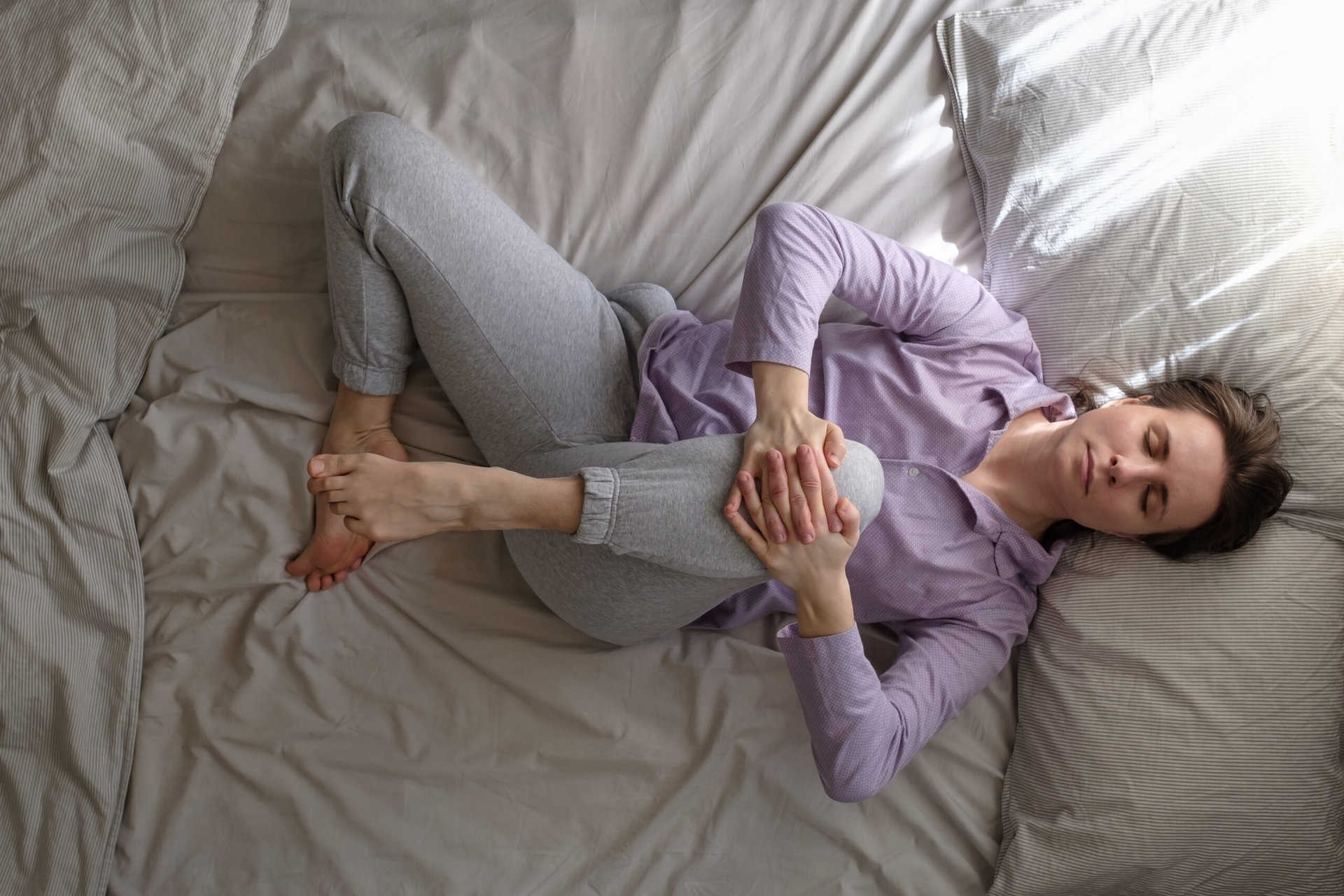
Hard to believe the first installment of “Meditation Prescription” class is already behind us (meditation class is on the first Wednesday of each month at 7:30 PM – please contact Satori if you’d like to join the group) – wow, time flies! Here are some topics we touched on – these steps are easy to put into practice, and can be useful for both new and experienced meditators.
Step 1: move before your sit.
Sitting for a period of time can be hard for tight hips and achy low backs. Quieting down can be challenging for overactive minds. In class we used simple, rhythmical, repetitive movements (such as pelvic rocking and taking the knees side to side) to loosen tense muscles. Starting with movement eases your sitting posture, and also brings you in closer contact with the deep wisdom of your body and present moment. Rhythmical movements help to discharge mental static and frizzy (technical term!) energy from your nervous system, so your mind has easier time quieting down.
Step 2: attend to your breath
Ancients knew, and modern science has now confirmed that breath is a pathway to our mind – the two are intrinsically connected. Witnessing the breath is a powerful practice in its own right; it can also be used as preparation for meditation. Spend a few minutes observing the sensations of breath moving in, through, and out of your body.
Step 3: make your meditation a ritual
Rituals are powerful. Meditate, if possible, at the same time of day and in the same place – your body will begin to associate this particular time and place with meditation, and you will have easier time settling down.
Step 4: time it right
It’s been proven that even a few minutes of meditation can begin to make a difference. Duration of your practice will depend on your schedule, state of your health, and your mental space – quite often starting with just a few minutes of quietness is more fulfilling than fidgeting for half an hour. However, it does take our minds 10 – 15 minutes to settle into more expanded states of awareness; once you feel comfortable in your initial time interval, gradually begin to increase the length of your meditation.
Step 5: ease yourself out of meditation
After meditation your mind and nervous system are in open and receptive state; give yourself some time to adjust to your surroundings. Open your eyes slowly, and do a few light stretches, especially if you meditated for a longer stretch of time, before getting up.
Above all, remember to hold yourself in highest regard, and treat your practice with reverence – it is a symbol of your commitment to yourself. Enjoy!
